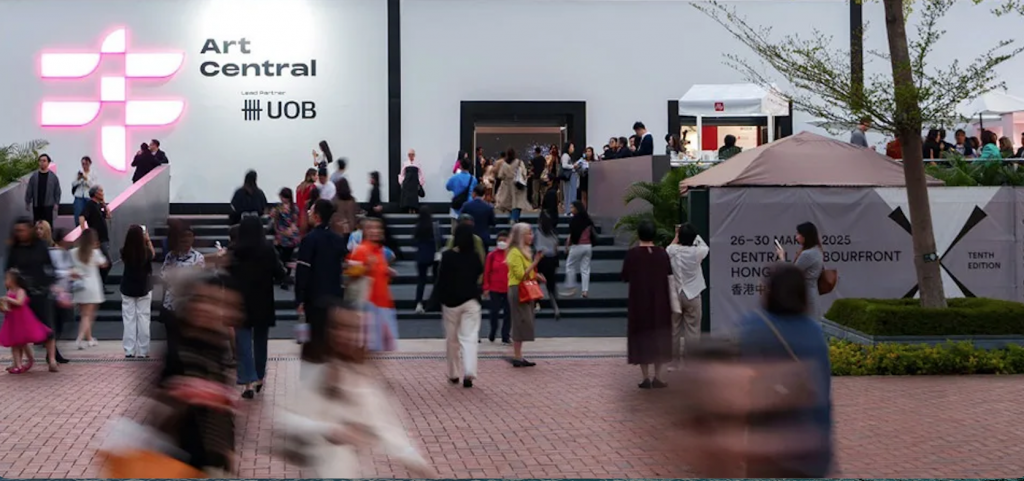
In March, Hong Kong felt warm again – both in weather and in spirit. The streets hummed with a long-missed energy as it played host, in quick succession, to the 2026 Asia’s 50 Best Restaurants awards ceremony, Art Central and Art Basel, drawing global attention back to its shores. The reasons for this revival are hard to pinpoint – spring, the return of major international events, or simply that Hong Kong has regained its footing. The lean years have lifted, replaced by a renewed sense of vitality.
A year or two ago, Hong Kong felt subdued. Faces were drawn, movements hurried, restaurants stripped of their usual ease. Now, there is a visible lightness, fuller streets, more smiles and effortless joy.
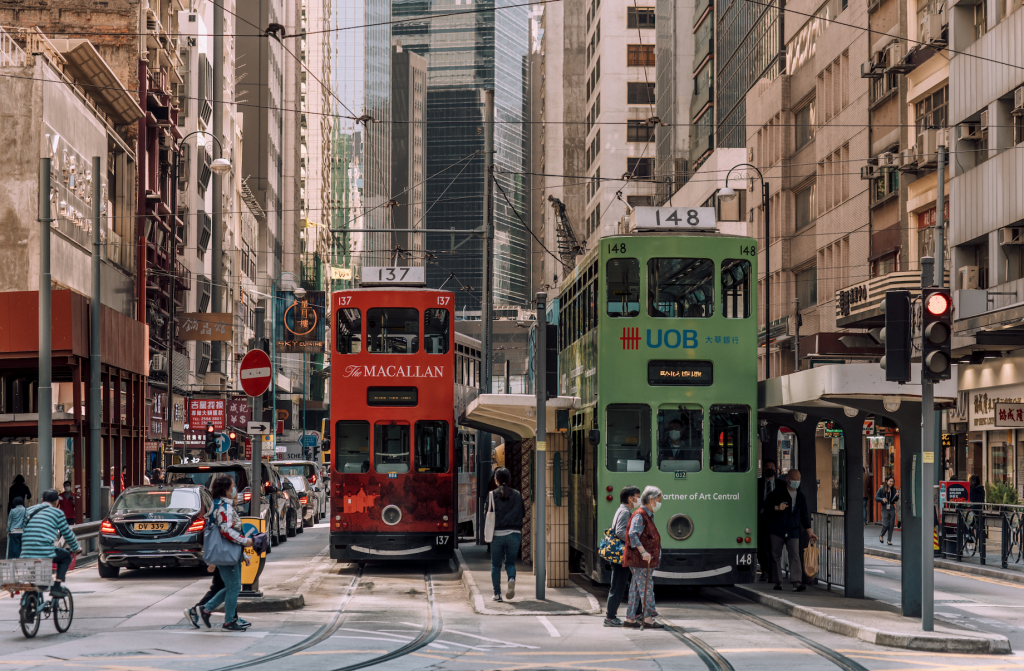
Tourism statistics proved that change. In 2025 Hong Kong welcomed 49.9 million visitors, up 12 percent year-on-year, recovering to roughly 85 percent of pre-pandemic levels. December alone saw 4.65 million arrivals, a 9 percent increase from 2024. Visitors from the China mainland were dominant, while non-mainland arrivals grew faster, rising 15 percent. Restored flight capacity, eased cross-border travel, and major events have all fueled the recovery.
Beyond data, the real story lies with the people.
Hong Kong spirit and resilience
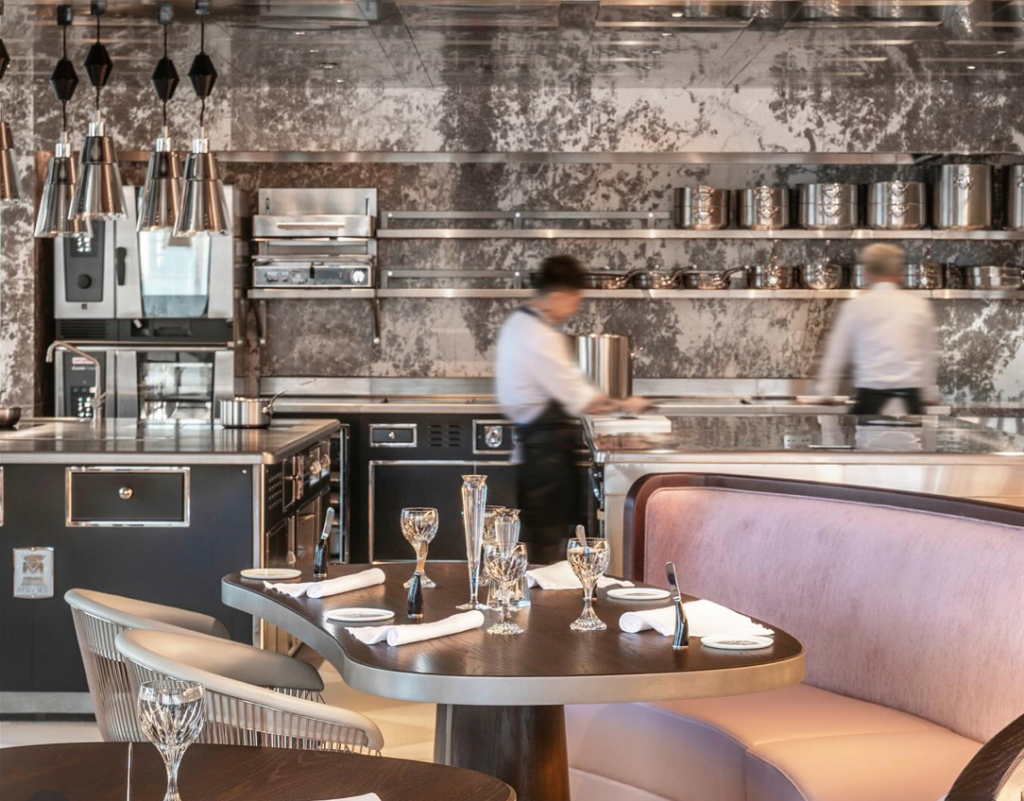
Hong Kong’s fine dining sector has weathered sustained pressure. Post-pandemic, residents travelled abroad or to neighboring cities such as Shenzhen and Guangzhou, drawn by convenience, competitive pricing, and refined service. High rents further squeezed margins.
Today, local consumption in Hong Kong is gradually returning. The government support and industry-led initiatives have begun to take effect.
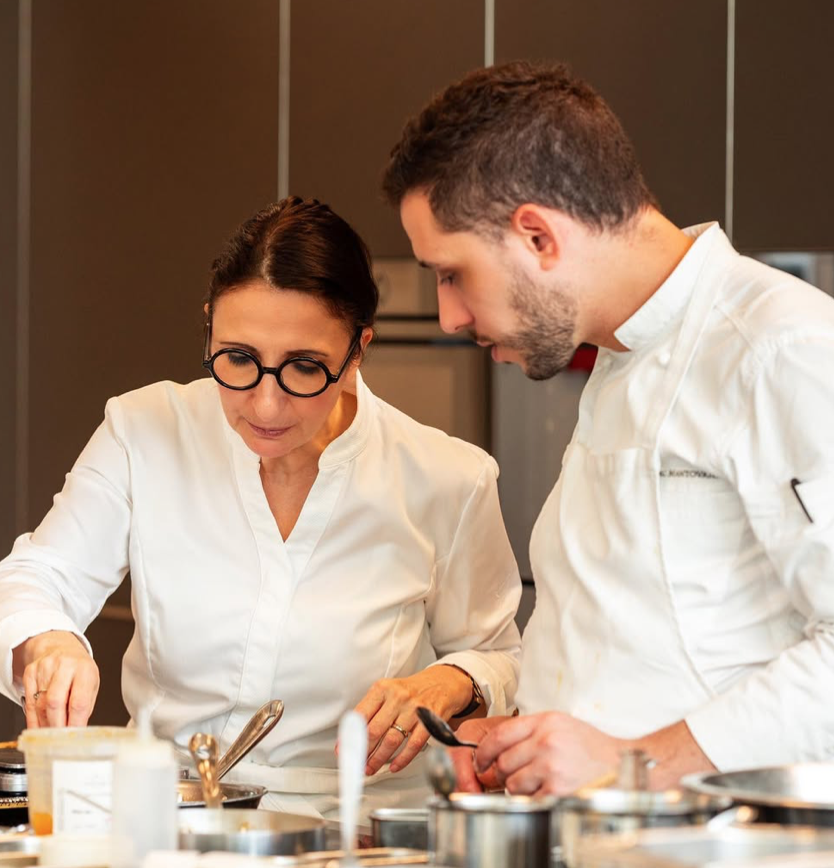
At the newly two-Michelin-starred Cristal Room by Anne-Sophie Pic, lunch on a weekday filled the room, Cantonese, Mandarin and English languages interweaving across tables. This different group of diners showed a sign of recovery.
Executive Chef Marc Mantovani has observed: “Over the past three years, the market has been returning step by step. Last year was better than the one before. This year is stronger again.”
Further, he added that Hong Kong remains a strong market. However, the effects of the pandemic have left their mark, regardless of talent outflow in the financial sector, or shifting consumption patterns. People are returning, and the market is recovering, but the process will take time. “A full rebound is unlikely in the near term, but a gradual recovery is taking shape.
He stays optimistic: “I like Hong Kong’s F&B industry. People are generous and helpful.” As his understanding deepens, so too does his approach to cooking – integrating local elements such as green tea and Da Hong Pao in ways that resonate more closely with Hong Kong diners.
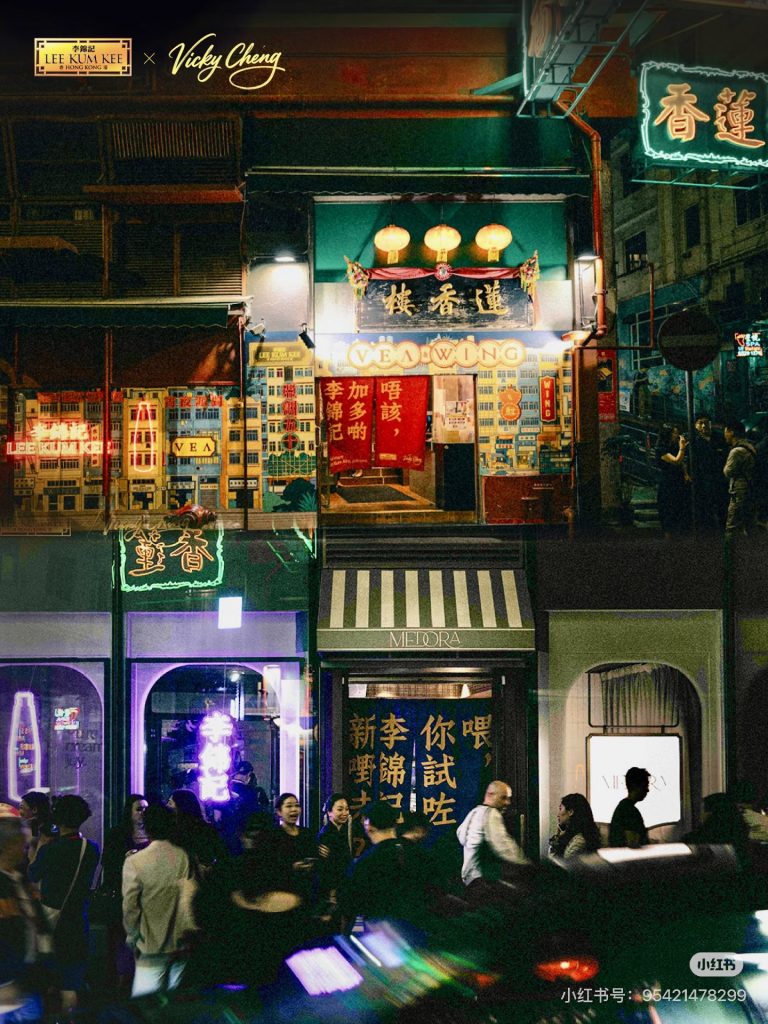
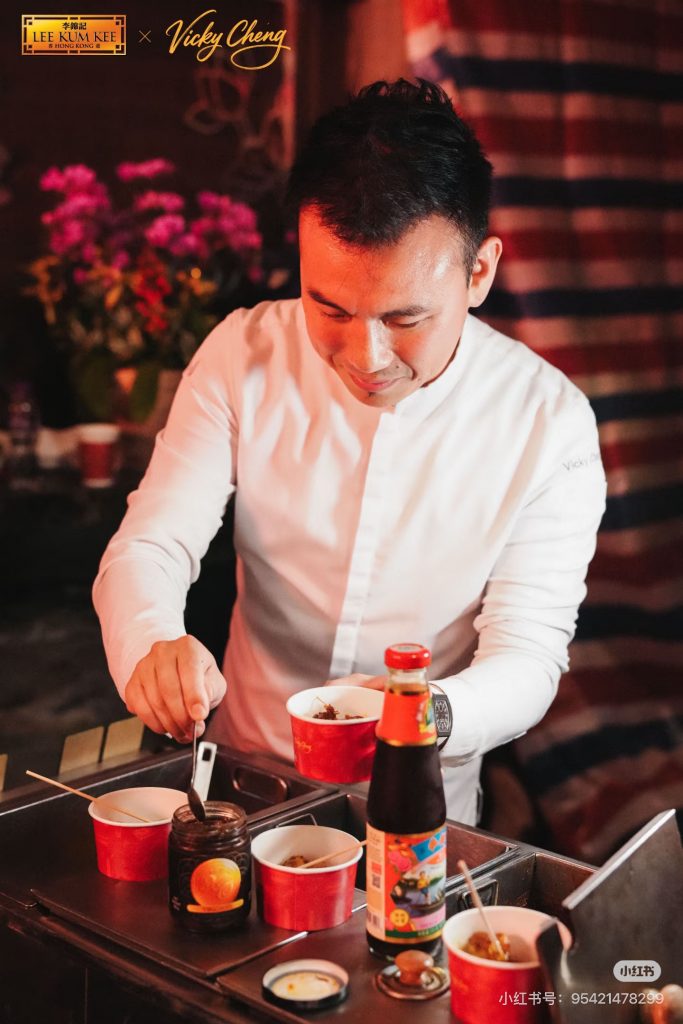
Coveted restaurants like WING, ranked No. 2 on Asia’s 50 Best Restaurants this year, showcases Hong Kong’s fusion of East and West, where tradition and reinvention coexist. During the awards, WING hosted an after-party alongside the time-honored Lin Heung Lau and Lee Kum Kee. DJs, contemporary bars, and dim sum prepared behind the counter blurred boundaries between modernity and heritage, much like Hong Kong itself, grown by its heritage and an ever-evolving pulse.
Even Luk Yu Tea House, a Hong Kong institution that hadn’t stayed open past 10 p.m. in over 90 years, extended its hours for the Asia’s 50 Best Restaurants awards. Its willingness to bend tradition for a citywide celebration embodies the spirit of Hong Kong.
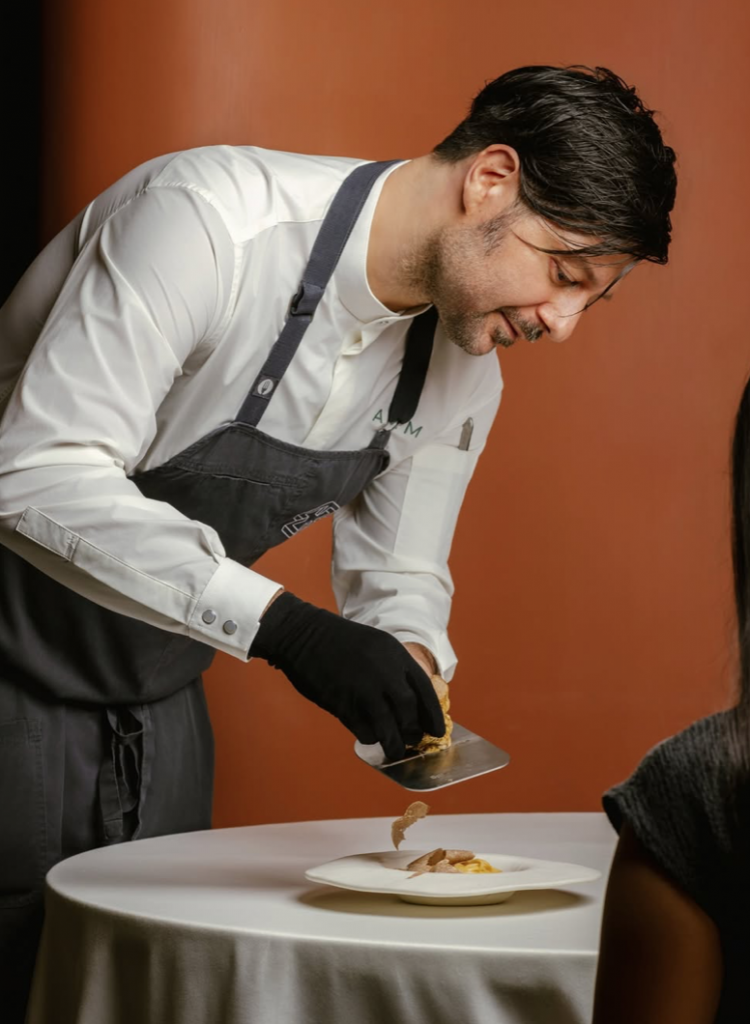
Antimo Maria Merone, chef-owner of the one-Michelin-starred Estro, is candid about the current climate: “We all know Hong Kong has been going through a challenging period, particularly in 2024. It has not been easy for the industry, but this is precisely the moment for the hospitality community to step up.”
Looking beyond Hong Kong, he pointed to a global shift. “When I first came to China in 2012 and 2013, the dining experience was still developing – service wasn’t yet a priority. After the pandemic, I returned to something entirely different. The level of hospitality had improved dramatically. People are more engaged, more committed. And this isn’t unique to China – it’s happening across many markets.” In his view, the strongest operators have only become stronger, while others have been pushed to evolve.
“Hong Kong has one of the most dynamic dining scenes I’ve ever seen. It has the potential to be a global benchmark. But to get there, the industry needs to move forward together. ” What matters, he argued, is not surface-level change, but the haute dining experience, including space, service, emotional connection, and the sense of being understood. It’s about how you make people feel.”
He added that it helped explain a question often raised locally: “Why are so many people dining across the border in Shenzhen? “
The answer is obvious. Competitive service, pricing, offerings and high quality of experience, from restaurants to hotels. Behind that there’s an industry-wide commitment to hospitality. Because, ultimately, hospitality is not just about experience but it drives business.


At the one-starred Andō, cross-cultural exchange is central. Chef-founder Agustín Balbi, shaped by Argentine roots and Japanese discipline, integrates Spanish and Japanese influences into a style attuned to Hong Kong. One signature dish, Sin Lola, a fragrant brothy rice made with locally grown Yi O rice, nods to his heritage while honoring the city. Wine, sake, and tea pairings are chosen to complement each dish, creating cuisine that is cohesive and distinctive.
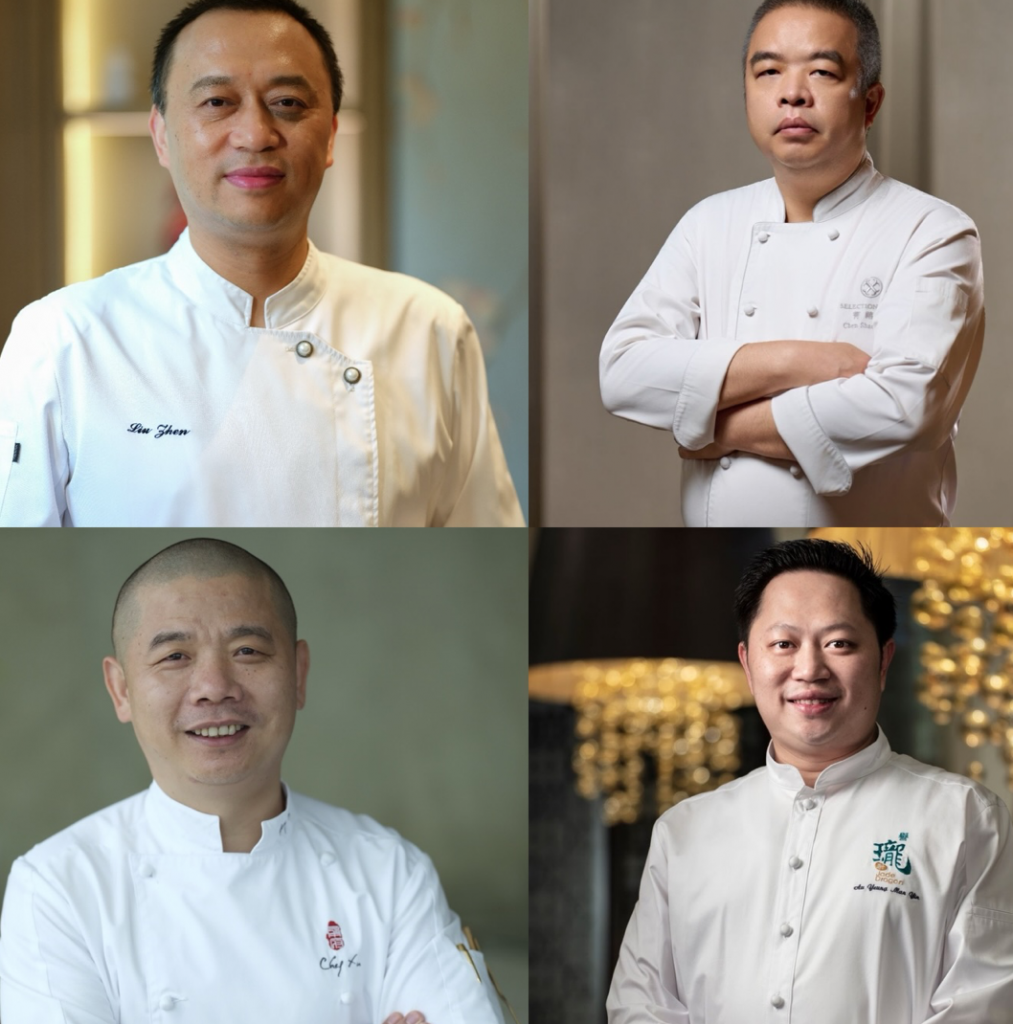
This spirit of exchange extended to a collaborative dinner at Yong Fu Hong Kong, uniting chefs from Macau’s three-Michelin-starred Jade Dragon, Shanghai’s
and Yong Fu. Ningbo, Cantonese, and Teochew traditions converged, coexisting in complementary ways, featuring Hong Kong itself, a place that absorbs and transforms diversity into something uniquely its own.
A glimpse of vitality on streets
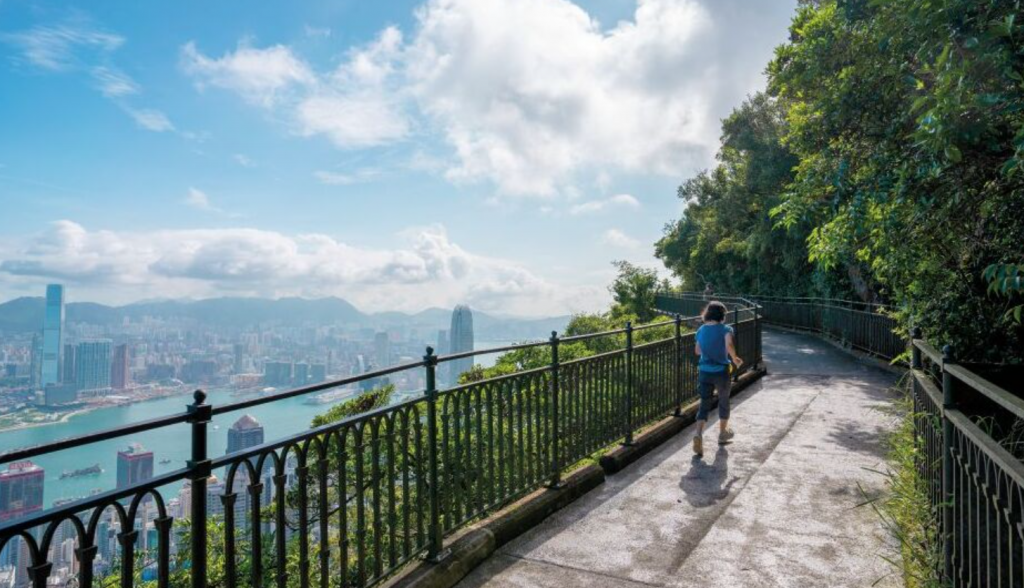
Around 7.30 a.m, Hong Kong was already in motion. The MTR was crowded yet orderly, commuters moving with urgency. A short walk into Lung Fu Shan Country Park revealed a different scene – humid air, greenery and slow pace. Young runners passed, elderly residents took their morning strolls, others simply lingered. Across ages and routines, there’s a space to breathe.
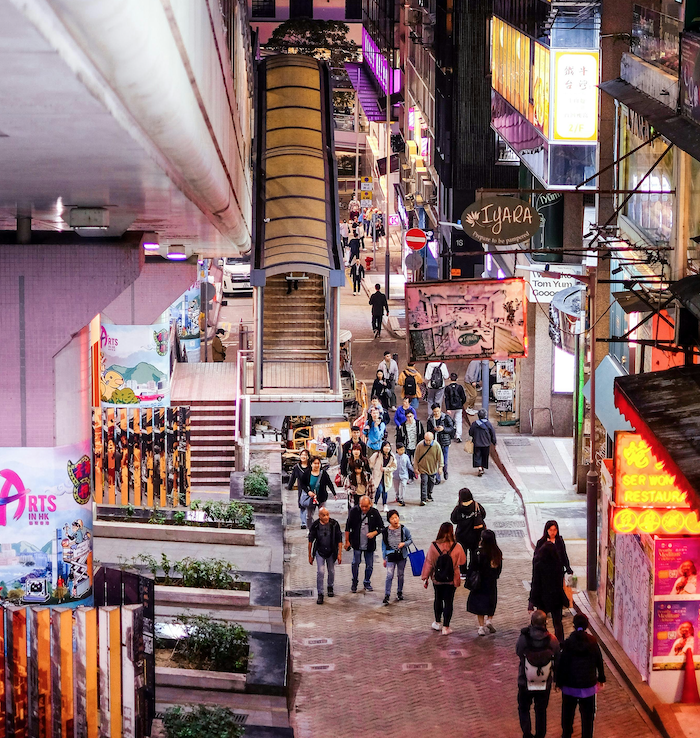
It shifted by evening. Wan Chai’s Lockhart Road to Central took over 20 minutes on foot. Streets were calm as daylight faded, lights flared, restaurants filled, and conversations spilled out.
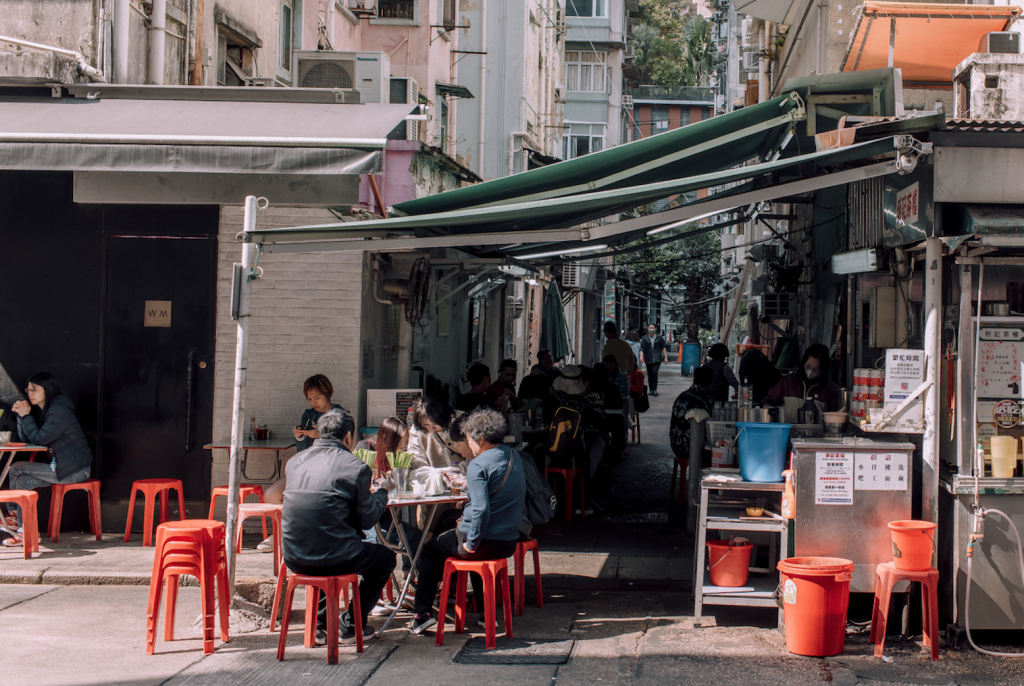
The change is most visible in small, everyday establishments. Spaces once cramped now feel lighter and service is more attentive.
People say Hong Kong’s energy is back. Some point to rising visitor numbers, others to improving data. However, recovery stands for the return of rhythm, warmth, and care in daily life. Hong Kong is not bouncing back overnight. It is finding a steadier, more resilient path forward, tempered by recent years, with a clearer sense of self and a pulse.