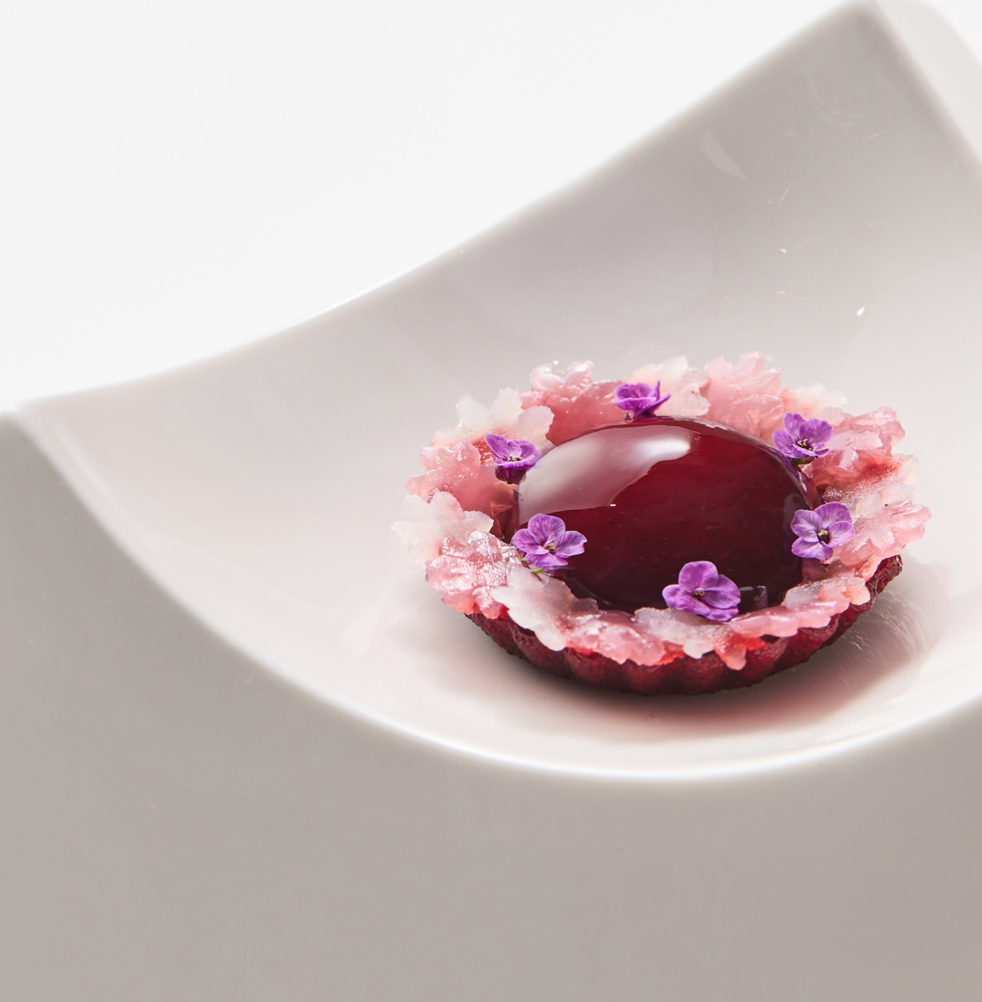
Shanghai’s dining scene is in the move, shaped as much by continuity as by change. At 8½ Otto e Mezzo Bombana Shanghai, a two-Michelin-starred Italian mainstay, a 14-year legacy is being refreshed. Across town, a trio of young chefs at Baxter the Club staged a roving, seasonal experiment rooted in the East China Sea. And at Ocean’s Table, Spanish cooking brings renewed life to a historic address. They capture a city that moves forward without letting go.
An evolving classic
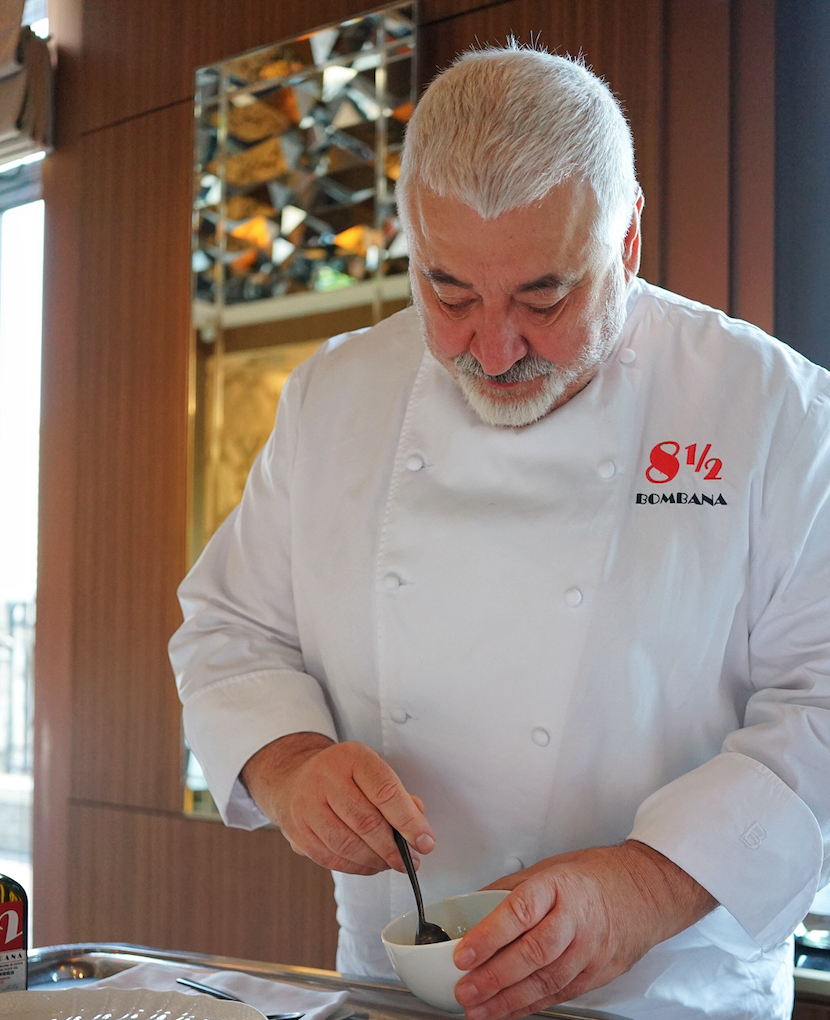
For celebrity Chef Umberto Bombana, April was a month in motion. Fresh from a family gathering of his restaurants in Macau, he arrived in Shanghai with his Hong Kong team to mark the 14th anniversary of Bombana Shanghai. Opened in 2012 and holder of two Michelin stars for a decade, it has reached what it calls a “teenage years.”
Across fourteen years of changing markets and evolving palates, the team has continued to reinvent rather than remain comfortable.
The renewal is expressed through detail: New carpets, half-moon side tables at each setting, and a more fundamental shift is underway. “That wall lined with artwork will come down, and we’re opening up the kitchen,” said executive chef and culinary director Nicoló Rotella.
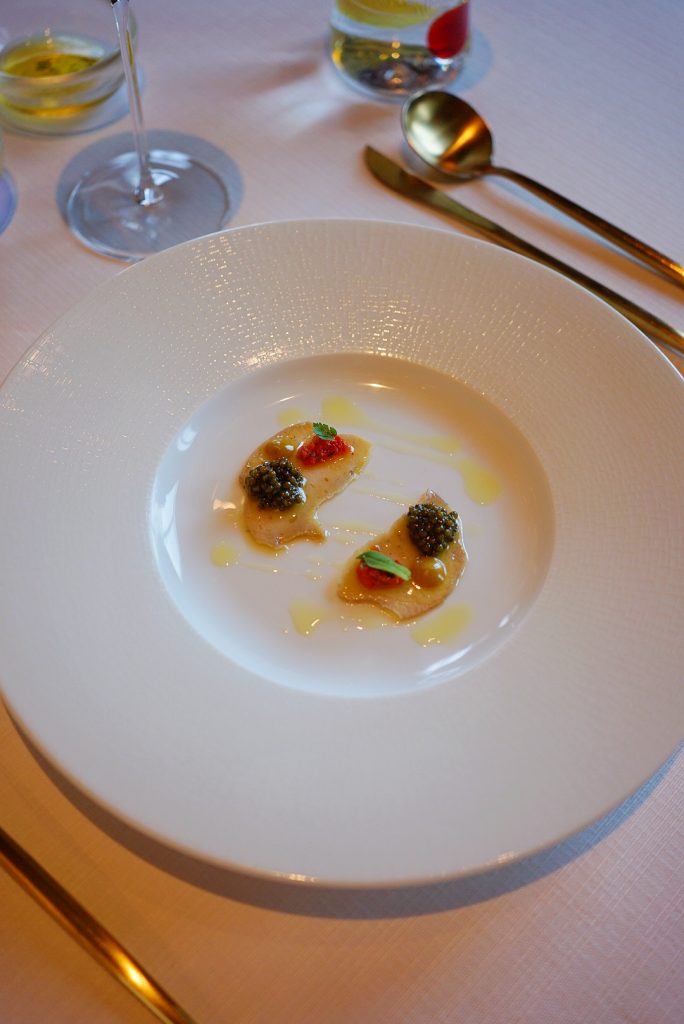
The collaborative menu followed suit, balancing continuity with renewal. Signatures from both the Hong Kong and Shanghai kitchens kept, including thinly sliced abalone with sweet peppers, sun-dried tomatoes and caviar, alongside tagliolini with black olives, oregano and bluefin tuna.
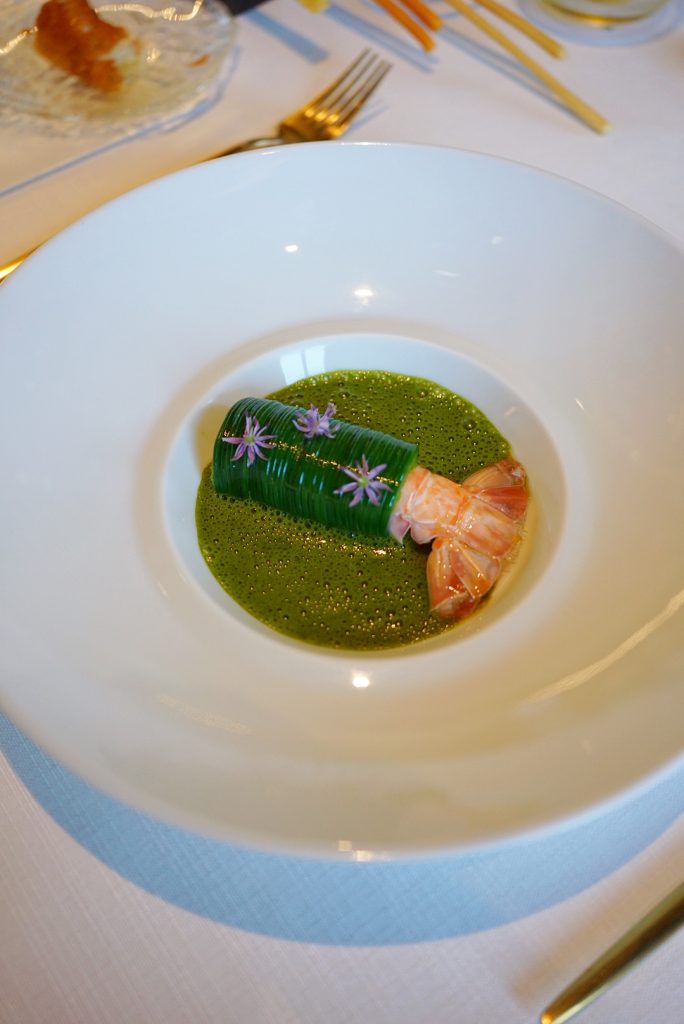
Langoustine was paired with green onion, a wild Chinese vegetable discovered locally, wrapped and lightly steamed to preserve a near-raw texture. One new dish from the Shanghai team featured dry-aged fish, cured for seven to ten days, charred only on the surface, and layered with preserved green fig, citrus gels and fig-leaf oil – light, acid and sharp.
The wine program has evolved in parallel. Restaurant manager and sommelier Ervin Ong has refreshed the list with notable frequency. “As the food changes, the wine must respond,” he explained. A smoked pigeon with cherry and cinnamon was paired with a concentrated wine made from dried grapes – its weight matching the dish’s depth while retaining clarity of fruit and spice.
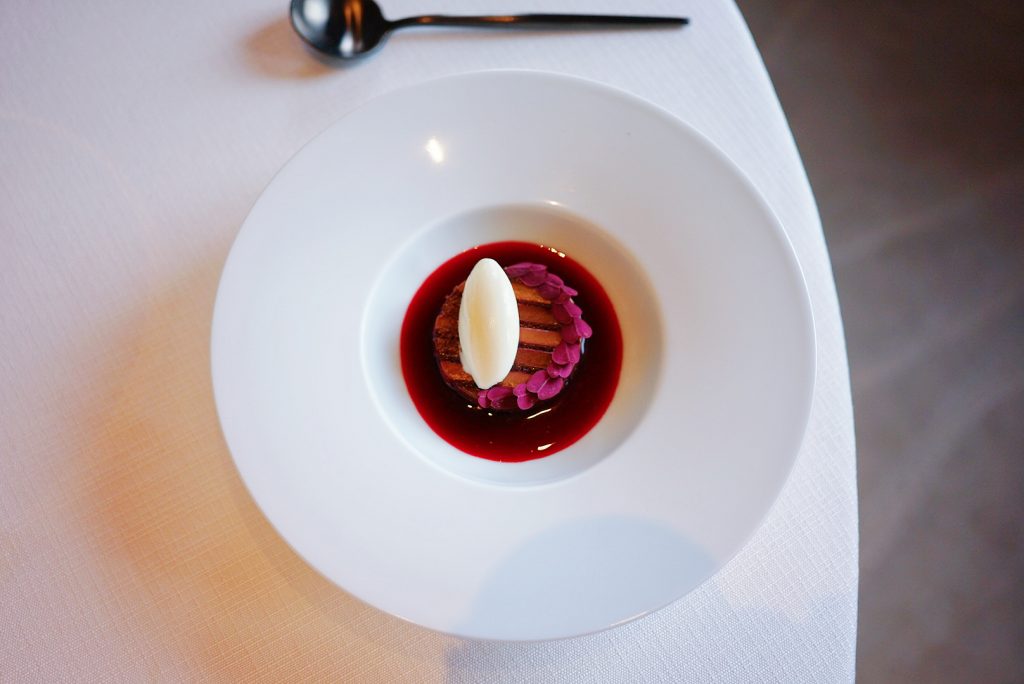
After a year of constant momentum – events, collaborations, visiting chefs – Chef Rotella now plans to slow things down, focusing on the kitchen and the next phase of the menu.
A whimsical generation
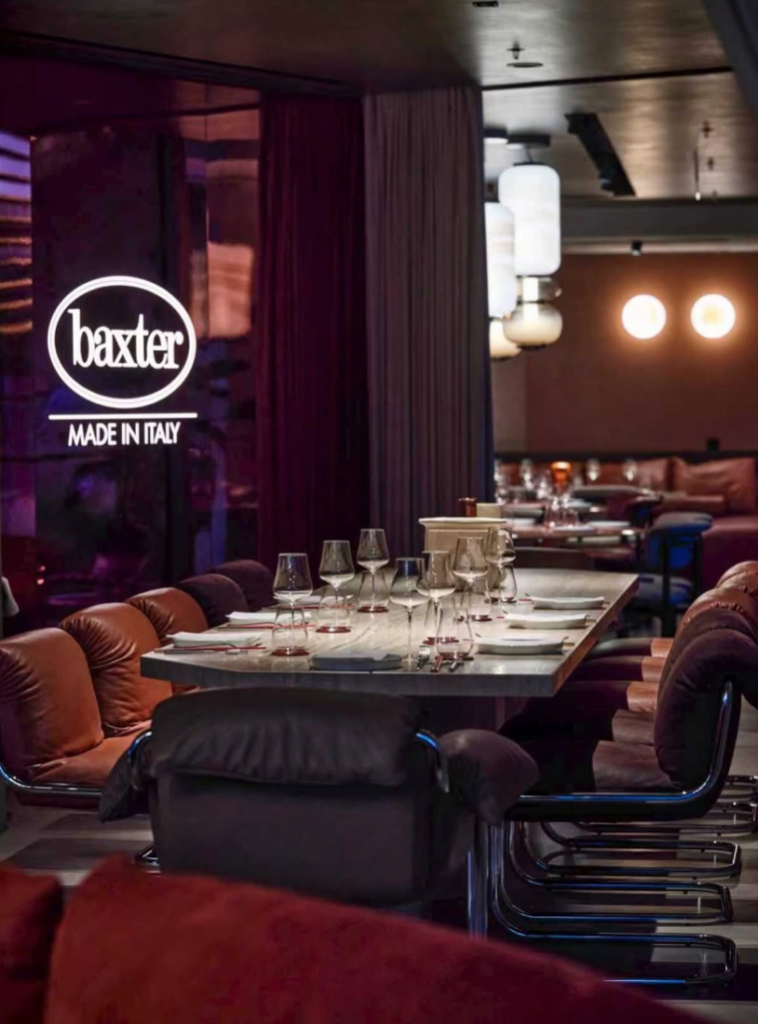
On Yongyuan Road, a red building houses the flagship store of Italian furnitures giant Baxter, along with its adjoining restaurant, Baxter the Club. The interiors – warm wood, soft light, Italian detailing – blur the line between home comfort and dining space.
In late April, the venue hosted a pop-up titled Spring of the East China Sea, in collaboration with Le Bon Vivant. Three young chefs – Wayne Wang, Nero Yang and Kang Chen – all trained in France, returned to China in 2024 and began working in a nomad format.
Their approach is geographical and seasonal. Tracing the eastern coastline, they explored ingredients at their peak. Shandong oysters – at their seasonal best – were paired with melon and clarified essence, balancing marine sweetness with fruit. Yunnan morels, fleeting and prized, anchored a main course alongside charcoal-grilled duck. Elsewhere, spring greens met cuttlefish, and scallops were layered with lily bulb and caviar.
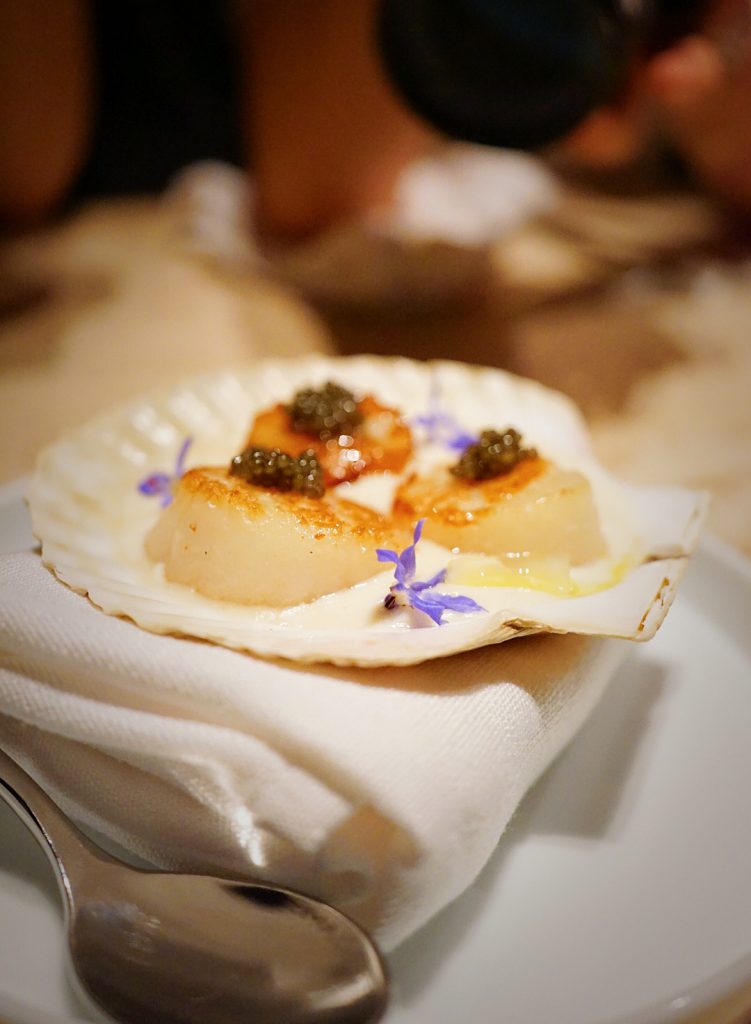
Technique is open-ended. Tilefish was cooked in a style reminiscent of Japanese skill, its skin crisp, flesh almost dissolving. The duck was handled with meticulousness, allowing its texture to keep intact, with morels adding depth. A pâté en croûte, finished with a juniper-inflected red wine sauce, produced a subtle pine note.
Dessert sustained the seasonal flavor. Wild strawberries from a remote village in Shandong were served with vanilla cream and genmaicha madeleine. Spices brought back from France ran through the menu, with juniper, better known as the backbone of gin, appearing as a recurring thread.
Renewed heritage
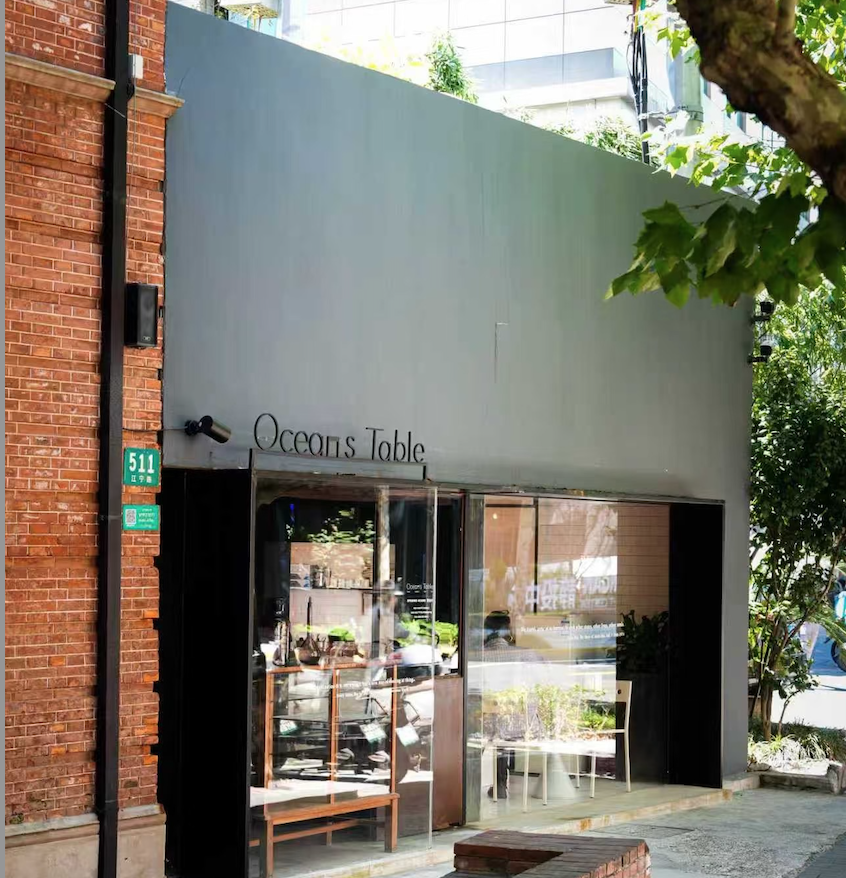
On a rainy afternoon, Ocean’s Table was almost full. Set outside Shanghai’s usual dining corridors, it nonetheless draws a steady weekday crowd. “Weekends are busier still,” a staff member noted.
The building has lived several lives. Once a colonial-era police station, it later became The Commune Social, an early landmark in the city’s modern dining scene. Redesigned by Neri&Hu Design and Research Office, the space retains its brick walls, arched windows and courtyard – minimal, open, contemporary.
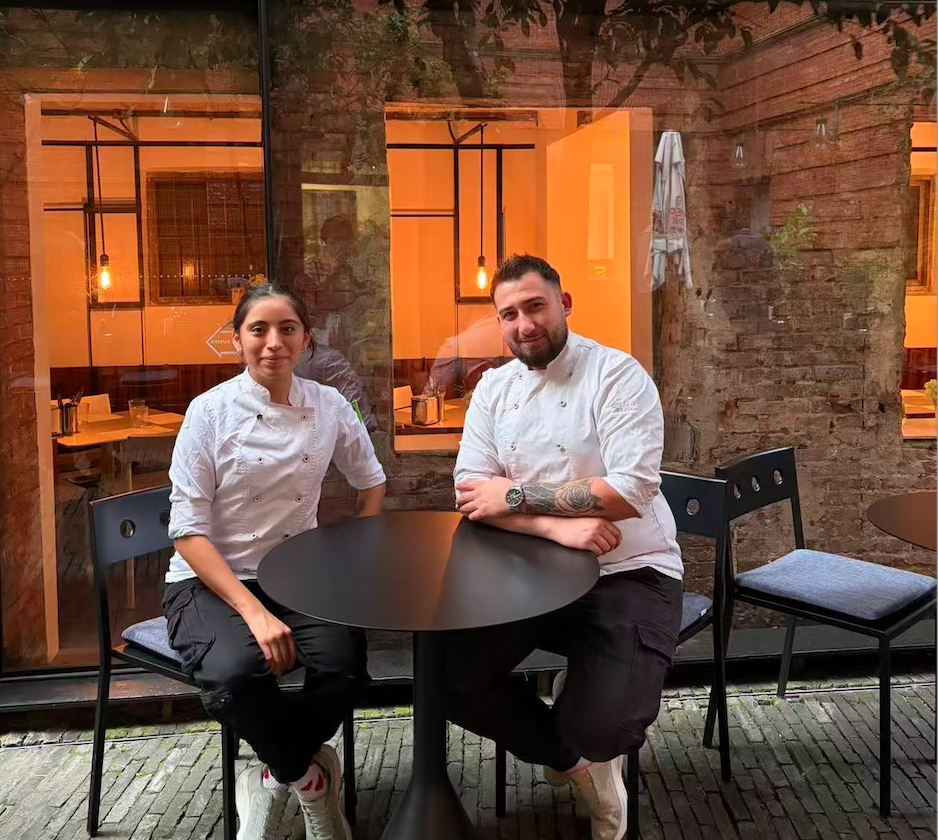
Now reintroduced as Ocean’s Table, it is led by the Spanish chef duo of Salvatore and Dona, whose experiences included El Celler de Can Roca, ABaC and Enigma.
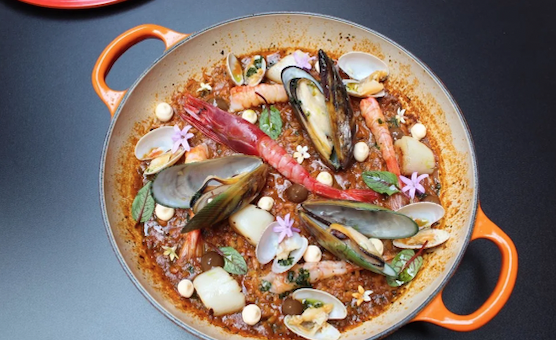
Seafood leads the menu. The cooking is designed to foreground the ingredients themselves, with influences from Spain, particularly in Catalonia and Andalusia. Oysters are paired with squid ink, seaweed and yuzu butter, and tiger prawns arrive in a deep shellfish reduction with black garlic and chili. A chilled beetroot soup with cherry offers brightness, while slow-braised Iberian pork cheek provides depth.
The pastry chef, a long-time collaborator, works with minimal intervention. Raspberry sorbet with rose cream as light as spun sugar, and a clarified strawberry consommé, filtered drop by drop. Even the menu bears her imprint, illustrated by hand – subtle, playful.
With an average spend of around 200 yuan ($29), it now offers an all-day à la carte format.